Sharp pain shoots through the calf at 2 AM, jolting sleep into a rude awakening. Muscles seize without warning, leaving people gasping and reaching for the affected spot. These involuntary contractions strike athletes, desk workers, and seniors alike.
Dehydration and overuse get blamed, but nutritional gaps frequently trigger these episodes. Magnesium and specific vitamins offer natural relief. Finding the right vitamin for muscle pain can change how the body handles these sudden spasms.
Magnesium deficiency signs:
Low magnesium levels trigger frequent tightness. This mineral assists with nerve signals and helps fibers relax after contraction. When levels drop, muscles stay in a locked state instead of releasing. Foods rich in green leaves, nuts, and seeds provide plenty of this mineral. Consistent intake keeps limbs loose and prevents tightness from developing during rest or active hours.
Vitamin B12 and nerve health:
B12 deficiency causes nerves to misfire. Nerves send signals to fibers to contract or relax. Without enough B12, these signals become chaotic. A lack of this nutrient results in involuntary twitching and lingering soreness. Adding eggs, meat, or dairy supports healthy nerve pathways, keeping limbs calm and responsive.
Vitamin D and bone support:
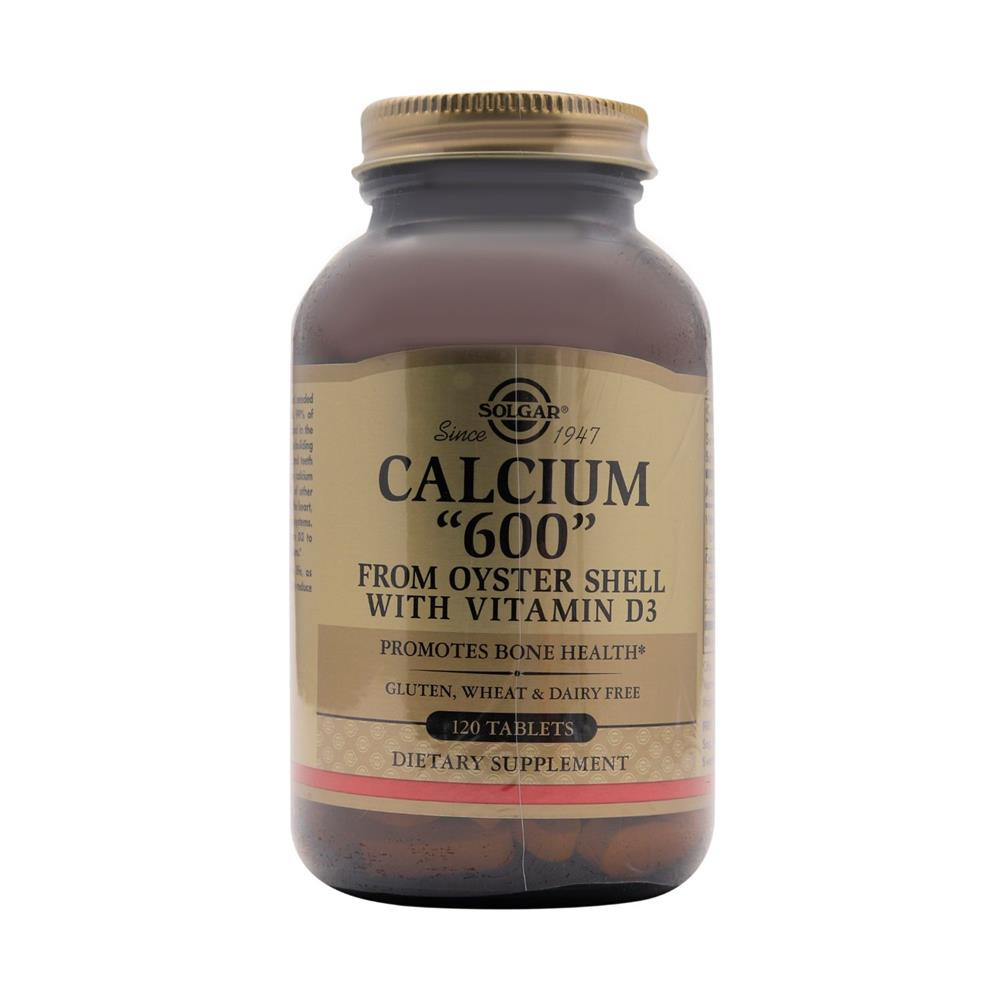
Vitamin D influences how bodies absorb calcium. Calcium is vital for fiber contraction. If Vitamin D levels are low, calcium regulation becomes irregular, leading to spasms. Sunlight exposure and specific dietary choices keep levels high.
Vitamin E for circulation:
Circulation plays a big part in muscle health. Oxygen needs to reach deep tissues to maintain function. Vitamin E supports blood flow, ensuring muscles receive necessary nutrients. Poor blood supply causes fibers to cramp because they lack the items needed to function correctly. Including seeds and oils helps maintain steady flow throughout the limbs.
Balancing electrolyte levels:
Electrolytes like potassium and sodium work with magnesium to control fluid levels. Tightness happens if hydration is poor or mineral ratios are off. Drinking water and eating fruits prevents fluid loss. This balance ensures muscles remain pliable. Stable fluids allow fibers to slide smoothly during movement, preventing knots from forming suddenly.
Focusing on these nutrients builds a foundation for comfort. Small shifts in daily meals provide lasting relief. Supplements help when dietary sources are insufficient, but whole foods remain the best path. Maintaining these levels stops tightness before it starts. Consistent attention to these vitamins and minerals keeps the body relaxed and ready for any activity. Choosing the right food choices ensures muscles stay loose, calm, and pain-free every single day.